
Over 200 million American gamers play competitively every year, making the United States one of the world’s largest hubs for organized gaming events. As interest in esports continues to grow, understanding how gaming tournaments work has never been more valuable. This guide breaks down core tournament formats, entry requirements, and insider strategies to help players maximize their potential in the fast-paced world of competitive gaming.
Table of Contents
- Defining Gaming Tournaments And Core Concepts
- Types Of Gaming Tournaments And Main Formats
- How Tournament Structures And Scoring Work
- Entry Requirements And Registration Process
- Prize Pools, Rules, And Community Dynamics
- Safety, Fair Play, And Common Pitfalls
Key Takeaways
| Point | Details |
|---|---|
| Understanding Tournament Formats | Familiarize yourself with various tournament structures, such as single elimination and round robin, to enhance your competitive strategies. |
| Preparation is Key | Research specific tournament rules and scoring systems to optimize your performance before entering competitions. |
| Emphasize Community and Networking | Engage with other players and communities to build connections that can advance your esports career beyond competitions. |
| Maintain Physical and Mental Well-Being | Implement a self-care routine to manage stress and avoid burnout during intense training and competition periods. |
Defining Gaming Tournaments and Core Concepts
Gaming tournaments represent structured competitive events where players battle against each other in video games, testing skills, strategy, and mental agility. These competitions transform individual gameplay into electrifying spectator experiences, creating platforms where gamers can showcase exceptional talent and earn recognition within their respective gaming communities.
At their core, gaming tournaments follow specific formats and structures designed to determine winners through systematic elimination processes. International gaming standards increasingly recognize competitive gaming as a legitimate form of organized sport, with established rules, qualifying rounds, and professional-level expectations. The most common tournament structures include:
- Single Elimination: Players are removed after losing one match
- Double Elimination: Participants have a second chance after initial defeat
- Round Robin: Every player competes against every other participant
- Swiss System: Players with similar win records face each other
Historically significant events like the Evolution Championship Series demonstrate how fighting game tournaments have evolved, transforming from small local competitions to global spectacles attracting thousands of participants. These tournaments not only determine champions but also create community networks, sponsorship opportunities, and professional pathways for skilled gamers.
Pro Tournament Strategy: Research tournament rules meticulously before competing, understanding specific game mechanics, scoring systems, and registration requirements to maximize your competitive potential.
Types of Gaming Tournaments and Main Formats
Gaming tournaments encompass a diverse range of competitive formats designed to challenge players and engage audiences in unique ways. Multiple tournament styles offer different competitive experiences, each with distinct rules and strategic approaches that transform gameplay into thrilling contests of skill and strategy.
The primary tournament formats include:
- Eliminator Tournaments: Participants are progressively removed through head-to-head matches
- Playoff Tournaments: Structured knockout stages with advancing winners
- High Score Tournaments: Players compete to achieve maximum points within specified time frames
- League Format: Ongoing competitions where participants accumulate points across multiple matches
- Ladder Tournaments: Continuous competitive ranking system where players challenge and displace higher-ranked opponents
Each tournament format presents unique challenges that require different skill sets. Eliminator tournaments demand consistent peak performance, while high score competitions test players’ ability to maximize point accumulation under time constraints. Playoff formats create dramatic elimination scenarios, keeping both participants and spectators engaged through progressive rounds of competition.
Modern gaming tournaments have evolved beyond traditional structures, incorporating streaming technologies, global online participation, and sophisticated ranking algorithms that create increasingly complex and engaging competitive environments. These innovations have transformed gaming competitions from local events to international spectacles attracting massive audiences and significant sponsorship.
Here’s a comparison of major tournament formats and the types of skills they emphasize:
| Format Type | Key Focus | Strategic Demands |
|---|---|---|
| Eliminator | Consistency | Must avoid early elimination |
| Playoff | Adaptability | Requires adjusting to opponents |
| High Score | Precision | Maximizing points under pressure |
| League | Endurance | Sustaining peak performance |
| Ladder | Initiative | Proactively challenging rivals |
Tournament Preparation Tip: Master multiple tournament formats by practicing adaptable strategies and understanding the specific scoring and elimination mechanisms of each competition style.
How Tournament Structures and Scoring Work
Tournament scoring systems represent sophisticated mathematical frameworks that transform competitive gaming into precise measurement of player skill and performance. Multi-tier tournament approaches introduce complex scoring mechanisms designed to create fair and engaging competitive environments, balancing player abilities and creating transparent evaluation methods.
Single-elimination tournaments offer a straightforward method of competition, where participants are progressively removed through direct confrontations. Key scoring mechanisms include:
- Point-Based Scoring: Accumulating points through match victories
- Elimination-Based Scoring: Advancing through successive competitive rounds
- Skill Rating Systems: Calculating player performance using mathematical algorithms
- Weighted Performance Metrics: Evaluating players based on multiple competitive indicators
Modern tournament structures incorporate advanced computational methods to assess player capabilities. These systems analyze not just match outcomes, but nuanced performance metrics including reaction times, strategic decision-making, and consistent gameplay quality. Complex algorithms can now track incremental player improvements, creating dynamic ranking systems that provide more comprehensive competitive assessments.
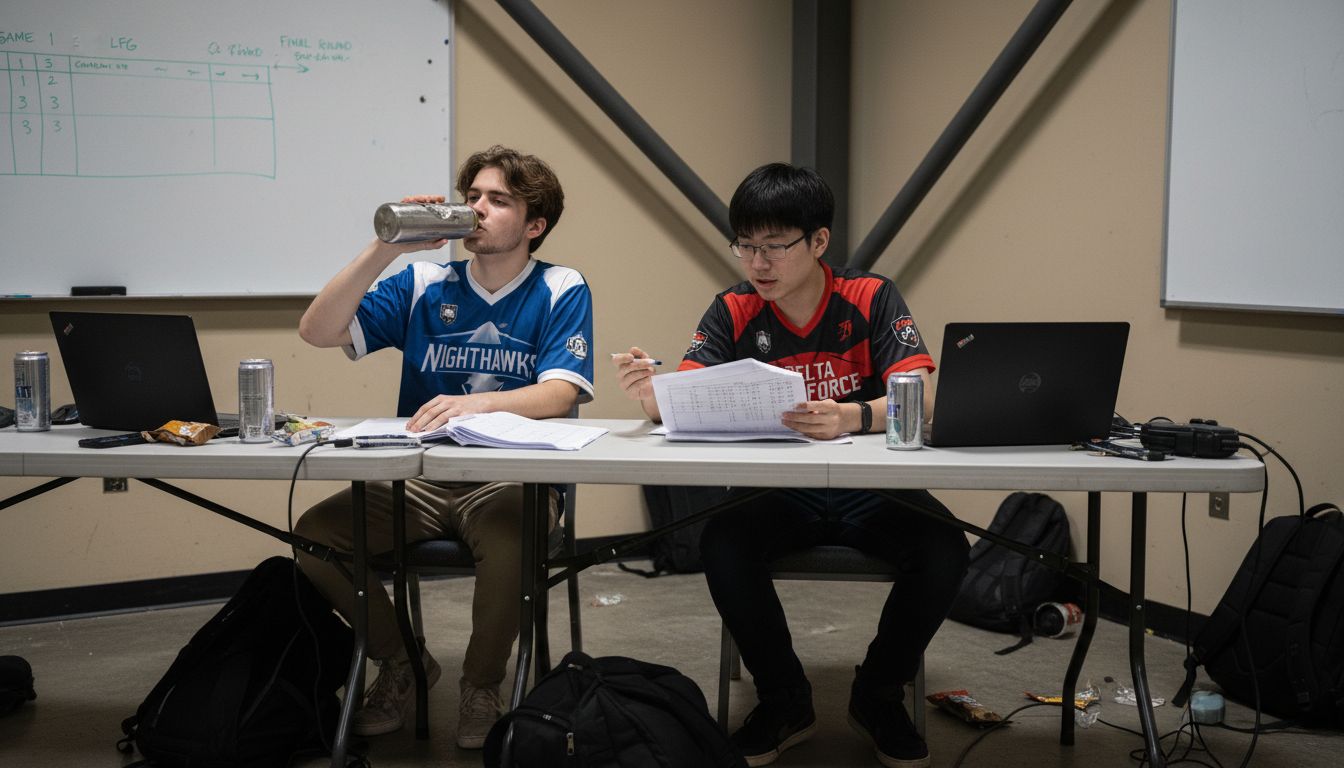
Competitive gaming tournaments increasingly leverage technology to create sophisticated scoring frameworks. Advanced tracking systems monitor player performance across multiple dimensions, generating comprehensive performance profiles that go beyond simple win-loss records. These innovations enable more transparent, data-driven competitive environments that reward skill, strategy, and consistent gameplay.
Tournament Performance Tip: Develop a holistic approach to tournament preparation by understanding scoring mechanisms, tracking your performance metrics, and analyzing your gameplay across multiple competitive dimensions.
Entry Requirements and Registration Process
Gaming tournament entry requirements represent complex systems designed to ensure fair competition and maintain high-quality participant standards. Competitive events like the Pokémon World Championships demonstrate sophisticated qualification processes, where players must prove their skills through consistent performance and strategic participation.
Typical tournament entry requirements generally include:
- Skill Verification: Documented performance records or qualifying match results
- Age Restrictions: Minimum and maximum age limits for different competitive categories
- Technical Requirements: Specific hardware, software, and internet connectivity standards
- Registration Documentation: Verified player identification and contact information
- Eligibility Verification: Background checks and compliance with tournament rules
Esports competitions like the Six Invitational showcase structured pathways for team and individual player qualifications, emphasizing the importance of regional standings and consistent competitive performance. Registration processes typically involve multiple stages, including initial application, skill assessment, and final participant selection.
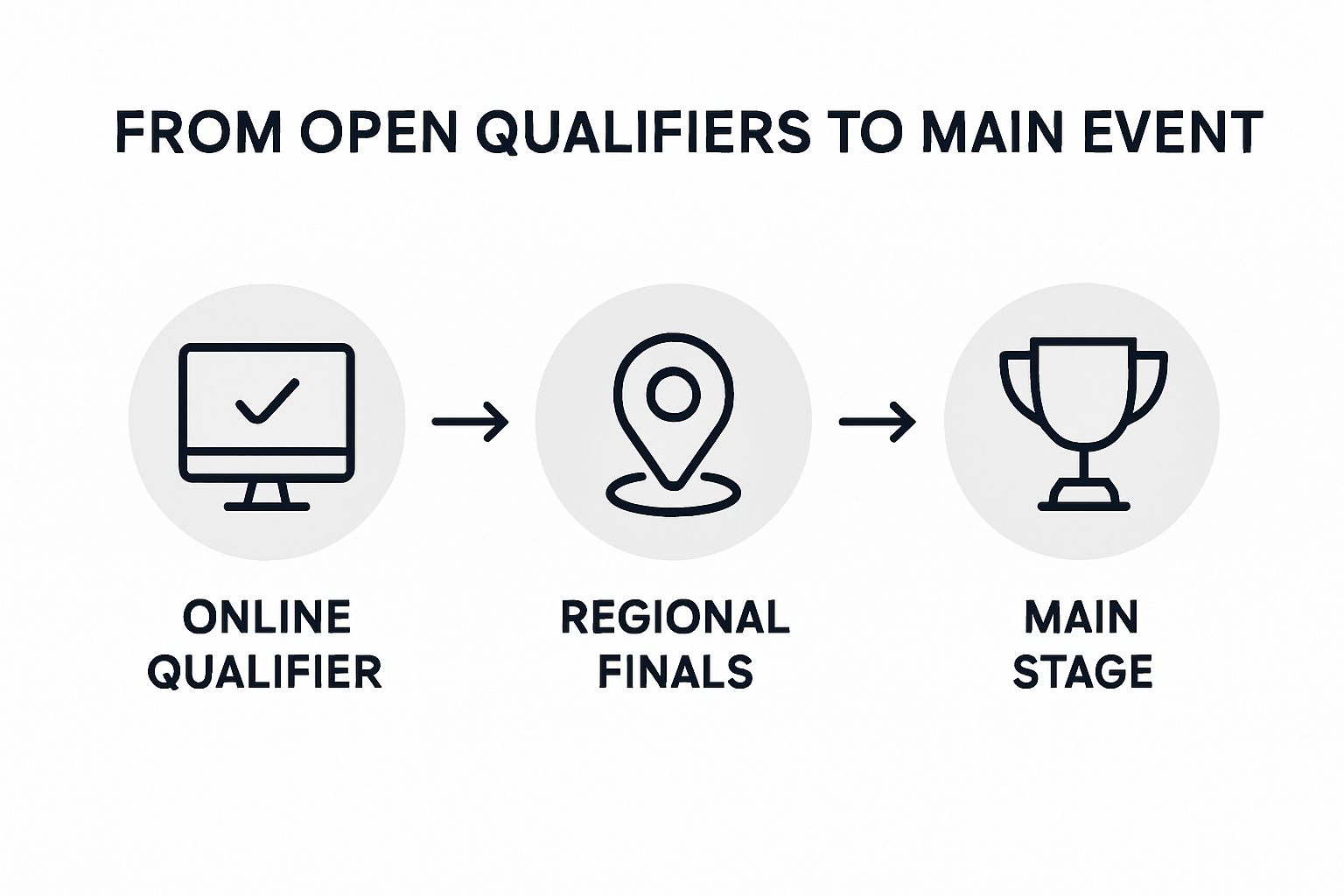
Modern tournament organizers leverage advanced digital platforms to streamline registration, creating transparent and accessible entry mechanisms. These systems often incorporate automated skill evaluation, real-time performance tracking, and comprehensive player profile management. Participants can expect increasingly sophisticated verification processes that balance accessibility with maintaining high competitive standards.
To help you prepare, here’s a summary of common tournament entry requirements and their underlying purposes:
| Entry Requirement | Purpose | Impact on Competition |
|---|---|---|
| Skill Verification | Ensures player capabilities | Maintains competitive balance |
| Age Restrictions | Aligns with legal and practical standards | Protects minors and fairness |
| Technical Requirements | Guarantees hardware/software compatibility | Reduces technical disputes |
| Registration Checks | Confirms player eligibility and identity | Prevents fraud and conflicts |
| Rule Compliance | Enforces adherence to tournament policy | Upholds event integrity |
Registration Preparation Tip: Create a comprehensive digital portfolio of your gaming achievements, maintain updated performance records, and carefully review each tournament’s specific entry requirements well in advance of registration deadlines.
Prize Pools, Rules, and Community Dynamics
Gaming tournaments represent complex ecosystems where competitive spirit, financial rewards, and community engagement intersect dynamically. The Evolution Championship Series demonstrates how tournament structures can create vibrant competitive environments, balancing inclusive participation with rigorous competitive standards.
Prize pool structures typically include multiple tiers of financial rewards:
- Top Tier Prizes: Significant cash awards for champions and runners-up
- Performance Bonuses: Additional rewards for exceptional gameplay
- Community Scholarships: Educational funding for exceptional players
- Sponsored Equipment: High-end gaming gear as alternative rewards
- Streaming and Media Contracts: Professional opportunities beyond direct prize money
Modern esports competitions like the Esports World Cup showcase increasingly sophisticated tournament rules and engagement models, utilizing complex group stage formats and innovative bracketing systems. These structures create multi-layered competitive experiences that reward strategic gameplay, consistent performance, and adaptability.
Community dynamics in competitive gaming extend far beyond monetary rewards. Tournament ecosystems foster networking opportunities, skill development platforms, and collaborative environments where players can transform individual achievements into professional careers. Advanced tournaments now integrate social media engagement, streaming platforms, and interactive fan experiences, creating comprehensive competitive landscapes that transcend traditional sports models.
Tournament Strategy Tip: Build a comprehensive personal brand alongside your competitive skills, leveraging social media, streaming platforms, and community networks to maximize your visibility and potential opportunities beyond immediate tournament rewards.
Safety, Fair Play, and Common Pitfalls
Competitive gaming demands more than exceptional skills—it requires a comprehensive understanding of ethical gameplay and personal well-being. Gaming organizations emphasize structured training aligned with international standards to promote responsible competitive practices, creating frameworks that protect players and maintain tournament integrity.
Common tournament pitfalls players must navigate include:
- Cheating Techniques: Using unauthorized software or hardware modifications
- Emotional Burnout: Excessive training and competitive stress
- Technical Vulnerabilities: Potential system exploits or network manipulation
- Communication Violations: Inappropriate player interactions
- Performance Anxiety: Psychological challenges during high-pressure competitions
Fair play extends beyond simple rule adherence, encompassing psychological preparedness, ethical conduct, and personal accountability. Successful competitive gamers develop comprehensive strategies that address mental health, maintain technical integrity, and cultivate positive community relationships. Advanced tournaments now incorporate sophisticated monitoring systems that detect potential rule violations and protect participant experiences.
Safety in competitive gaming involves proactive measures that protect both physical and digital well-being. Players must develop holistic approaches that balance intense training with personal health, understanding that sustainable performance requires strategic self-care, continuous skill development, and maintaining professional boundaries within competitive environments.
Competitive Wellness Tip: Implement a structured self-care routine that includes regular physical exercise, mental health check-ins, and balanced screen time to maintain peak performance and prevent competitive burnout.
Elevate Your Gaming Tournament Experience with the Right Gear
Competing in gaming tournaments requires more than skill and strategy. Your setup can make the difference between climbing the ranks and facing early elimination. The article highlights the importance of adapting to various tournament formats and mastering performance metrics. To meet these challenges, having comfortable and reliable equipment that supports your focus and precision is essential.
Enhance your gameplay by starting with a dedicated space and high-quality tools. Explore our range of Gaming Desks & Accessories designed for comfort and organization. Complement your setup with precision-engineered Gaming Controllers that improve responsiveness and control. Partner these with essential Gaming Accessories to optimize your competitive edge.

Don’t let gear limitations hold you back in your tournament journey. Visit Moonlight Dreams today and equip yourself with products that level up your performance. Act now to experience comfort, precision, and endurance needed to conquer any tournament format.
Frequently Asked Questions
What are gaming tournaments?
Gaming tournaments are structured competitive events where players compete against each other in video games, showcasing their skills and strategies.
What are the common formats of gaming tournaments?
Common tournament formats include single elimination, double elimination, round robin, and Swiss system, each offering different competitive experiences.
How do scoring systems work in gaming tournaments?
Scoring systems in gaming tournaments can involve point-based scoring, elimination-based scoring, skill rating systems, and weighted performance metrics to evaluate player performance.
What are typical entry requirements for gaming tournaments?
Typical entry requirements for gaming tournaments include skill verification, age restrictions, technical requirements, registration documentation, and eligibility verification.